Natural Resources & Biodiversity
Operating a business that produces goods and services inevitably requires a significant amount of natural resources. Therefore, the company is committed to developing its production processes in tandem with social and environmental responsibility. This involves prioritizing the efficient and optimal use of resources, as well as conserving and promoting biodiversity within ecosystems. The aim is to enhance the value chain for stakeholders in the business through various approaches and measures for the cost-effective management of resources across multiple aspects.
Natural Resources & Biodiversity Policy
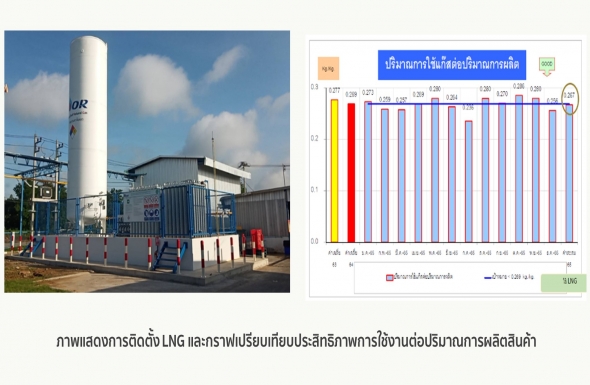
Premier Marketing PCL. and its subsidiaries recognize the importance of creating environmental balance alongside business operations for shared and sustainable success. This is achieved by conserving, promoting, and supporting the transmission of abundant natural resources and biodiversity to future generations. The company has established guidelines to encompass stakeholders throughout the supply chain, such as business partners, suppliers, and employees, encouraging their participation in the efficient use of resources and the preservation of biodiversity in various ecosystems to achieve mutual sustainability. Examples include reducing electricity consumption by expanding the installation of alternative clean energy sources; collaborating with business partners to campaign for reduced use of environmentally impactful fossil fuels in transportation; transitioning to Liquefied Natural Gas (LNG) in production processes; managing wastewater for reuse and creating value from waste in production to maximize benefits while minimizing environmental impact through the adoption of technology to support the development and modification of work processes; as well as instilling in employees an awareness of environmental impacts and encouraging behavioral changes towards efficient resource utilization; and continuously collaborating to conserve biodiversity both within and outside the organization.
Natural Resource & Biodiversity Guidelines
- The company is committed to operating in a manner that minimizes environmental impact through the efficient and cost-effective use of resources.
- We promote and support stakeholders across the business value chain, from procurement and production to transportation, distribution, and consumers, to develop and improve their operations in order to reduce resource consumption or enhance the efficient and cost-effective use of resources.
- We establish objectives and targets to develop an operational plan for improving the efficient use of resources, continuously monitoring, reporting on, and improving performance.
- We raise awareness and understanding among stakeholders in the business value chain, promoting and supporting the importance of the efficient use of natural resources or the adoption of alternative clean energy sources, such as various types of fuel oil, natural gas, electricity, water, and paper, etc.
- The company avoids operations that would impact conservation areas, protected areas, or legally protected local areas. Furthermore, we seek cooperation and encourage farmers to jointly develop and improve biodiversity to mitigate and restore the impact on ecosystems throughout the business value chain.
Energy Management
Throughout 2025, the company advanced its environmental stewardship through the Energy Conservation Working Group. Our initiatives spanned the entire value chain—from sustainable procurement and green logistics to resource optimization. Key highlights include partnering with suppliers to transform production waste into innovative products and expanding our Solar Rooftop capacity to accelerate our transition to clean energy. We also intensified our water circularity by increasing the reuse of treated wastewater. Internally, we strengthened our Green Culture by empowering employees to practice energy conservation and systematic waste segregation across the organization.
Additionally, we supported P.M. Food Co., Ltd. in completing its Carbon Footprint for Organization (CFO) certification. With the Federation of Thai Industries as a consultant and ECEE Co., Ltd. as the third-party verifier, the company successfully received official certification from the Thailand Greenhouse Gas Management Organization (TGO) on August 22, 2025.
- Clean Energy Transition Project
P.M. Food Co., Ltd. and Premier Canning Industry Co., Ltd., which are subsidiaries, have adhered to policies and business practices that consider environmental sustainability. Therefore, managing electricity usage through renewable energy is considered an important mission because, while the demand for electricity in the industrial sector continues to increase, it contrasts with the future shortage of fuel sources such as oil, natural gas, and coal. Additionally, such fuels cause air pollution problems from combustion, generating various toxic gases that impact the environment and are the primary causes of climate change.
- Recognizing the strategic importance of renewable energy, the company has integrated Solar Rooftop systems into its manufacturing facilities. This initiative provides a sustainable source of clean energy with zero environmental emissions while effectively optimizing operational costs.
- Since our initial investment in 2017, both subsidiaries have consistently expanded their solar energy capacity. In 2025, our combined solar power generation reached 1,719.00 MWh, successfully mitigating 859.33 tCO2e of greenhouse gas emissions and achieving a total electricity cost saving of 8,253,074 Baht.
.png)
Annual operating results for 2025
-Photoroom.png)
Water Resource Management
Clean water is a critical factor in our manufacturing process, particularly for raw material preparation and equipment sanitation. Our primary goal is to minimize effluent discharge into public canals by optimizing water usage throughout our production lines. We are committed to fostering water conservation awareness among our employees, which not only reduces the wastewater treatment burden but also mitigates environmental impacts and preserves local ecosystems.
Premier Canning Industry Co., Ltd. (PCI) and P.M. Food Co., Ltd. have integrated water management into their annual strategic plans to mitigate water scarcity risks. By continuously implementing water recycling initiatives, companies optimize municipal water consumption and significantly reduce effluent discharge into public canals.
In 2025, PCI expanded its water reclamation target to 224 m3/day, representing 95% of total wastewater treated. This reclaimed water is utilized for non-production purposes, including sanitation, landscape irrigation, raw material reception areas, loading docks, and air pollution control (scrubbing soot from boiler combustion). Similarly, P.M. Food increased its recycling capacity with a target of 40 m3/day (20% of total water treated) for facilities maintenance and irrigation.
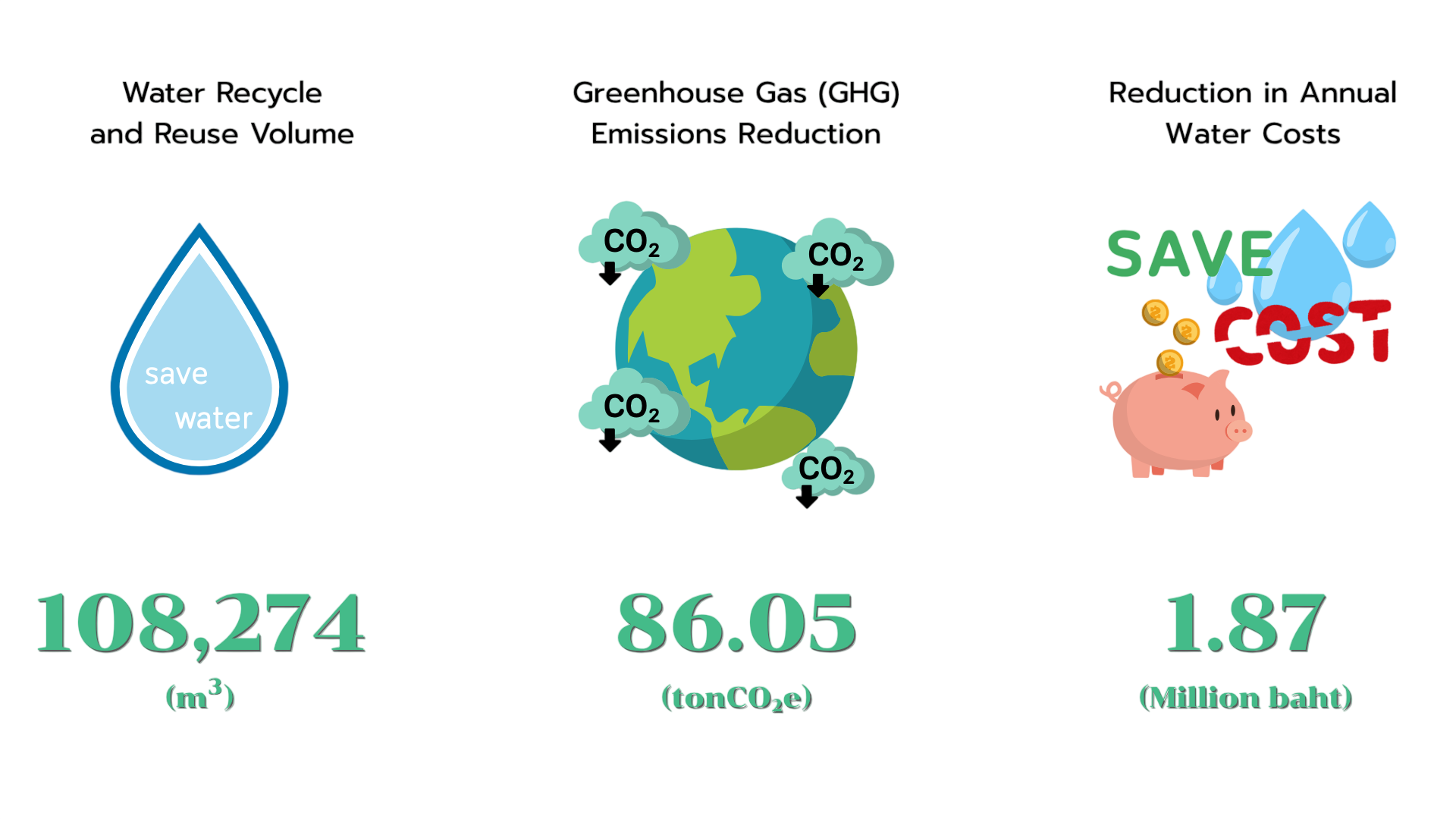
Since the inception of these initiatives in 2017, both subsidiaries have consistently scaled their water recovery efforts. In 2025, the combined recycled water volume reached 108,274 m3, resulting in a greenhouse gas reduction of 86.05 tCO2e/year and total cost saving of 1.87 million THB in municipal water expenses
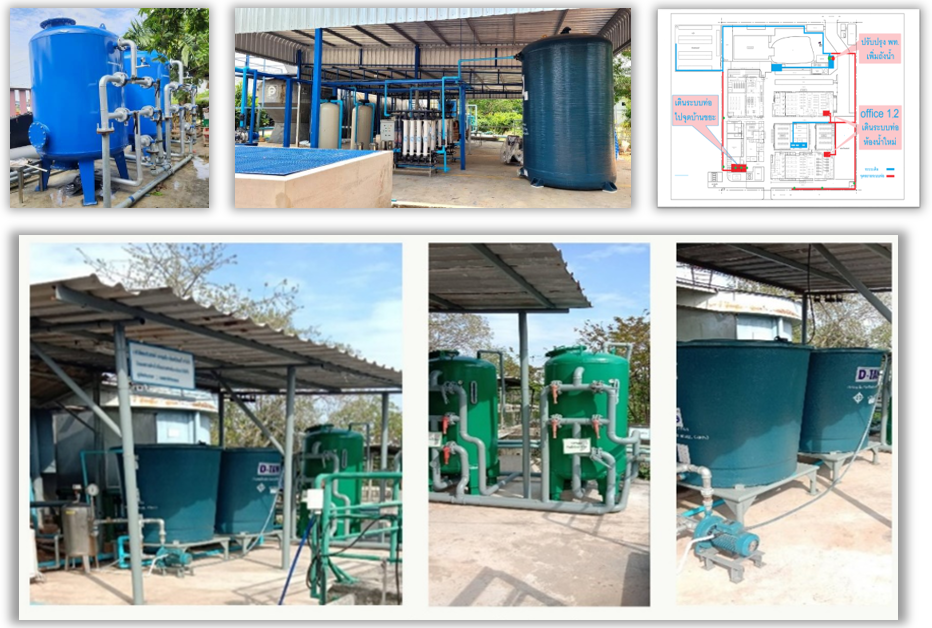
Actions to mitigate the risks of water scarcity.
Annual operating results for 2025
Water Security
Premier Marketing Public Company Limited recognizes that 'Water' is a precious resource and a vital factor in our consumer goods distribution and agency business. Guided by our commitment to 'Sustainable Shared Success,' we prioritize efficient and responsible water management to ensure water security throughout our entire value chain.
Water Availability
Water Availability refers to the physical abundance or scarcity of freshwater resources, which can significantly impact business operations. These impacts include supply chain or production disruptions, increased operational costs, and constraints on business growth. Generally, water availability is calculated based on the volume of available surface water and groundwater within a specific area.
1. The Company and its subsidiaries have conducted climate change risk assessments. We recognize that climate change impacts manifest significantly through "Water" in three primary forms:
- Flooding: Risks that cause damage to agricultural yields, crops, and essential business infrastructure.
- Drought: Risks leading to water scarcity, which directly impacts the availability and quality of raw materials for food production.
- Sea Level Rise: Risks resulting in saltwater intrusion, affecting the soil quality and freshwater sources in agricultural areas.
2. Holistic Water Management Strategy Our approach to water management extends beyond our internal operations, encompassing four strategic levels:
- Internal Operations: Prioritizing water efficiency through Reuse and Recycle initiatives to minimize freshwater withdrawal from natural sources.
- Supply Chain: Empowering upstream farmers to enhance water efficiency, such as promoting wastewater treatment for agricultural reuse.
- Community: Ensuring our operations do not compete for water resources with local residents, exemplified by initiatives like building Check Dams to maintain local water security.
- Ecosystem: Restoring upstream forests to preserve sustainable water sources through Reforestation and ecosystem conservation projects.
Baseline Water Stress
Baseline Water Stress measures the ratio of total surface and groundwater withdrawals to the available renewable water supply. This indicator is based on results from the PCR-GLOBWB 2 model.
Location of the company and its subsidiaries
- Premier Marketing Public Company Limited No. 1, Premier Building, Soi Premier, Nong Bon Sub-district, Prawet District, Bangkok 10250, Thailand.
- P.M. Food Company Limited 505 Moo 9, Kabinburi Industrial Zone, Nong Ki Sub-district, Kabin Buri District, Prachin Buri 25110, Thailand.
- Premier Canning Industry Company Limited 98/1 Bang Phli Yai Sub-district, Bang Phli District, Samut Prakan 10540, Thailand.
-Photoroom.png)
WWF (2026). WWF Risk Filter Suite. Available at: https://riskfilter.org/
Sustainable Water Management Approach
|
Sustainability Dimension |
Key Management Approach |
Expected Outcomes |
|
Water Security |
Secure alternative water sources and enhance water efficiency |
Business continuity during water crises |
|
Water Equity |
Collaborative water management with local communities |
Conflict reduction and enhanced social license to operate |
|
Water Ecology |
Wastewater treatment and watershed conservation |
Preservation of natural ecosystem balance |
Nature Conservation & Restoration
Mivana Co., Ltd., a subsidiary company, is committed to developing agricultural production systems in collaboration with forest-dwelling communities. The objective is to enable sustainable livelihoods while empowering residents to protect forest resources for the future of Thailand.
Guided by a Sustainable Development Strategy focused on three key areas—Resource Base, Production Systems, and Community Economy—Mivana aligns its operations with the forest environment, topography, local culture, and community wisdom. Using "Coffee" as a primary tool, the company recognizes it as an economic crop that preserves forests and provides sufficient income. As a shade-grown crop, coffee thrives under the canopy of the forest, producing high-quality beans with superior flavor.
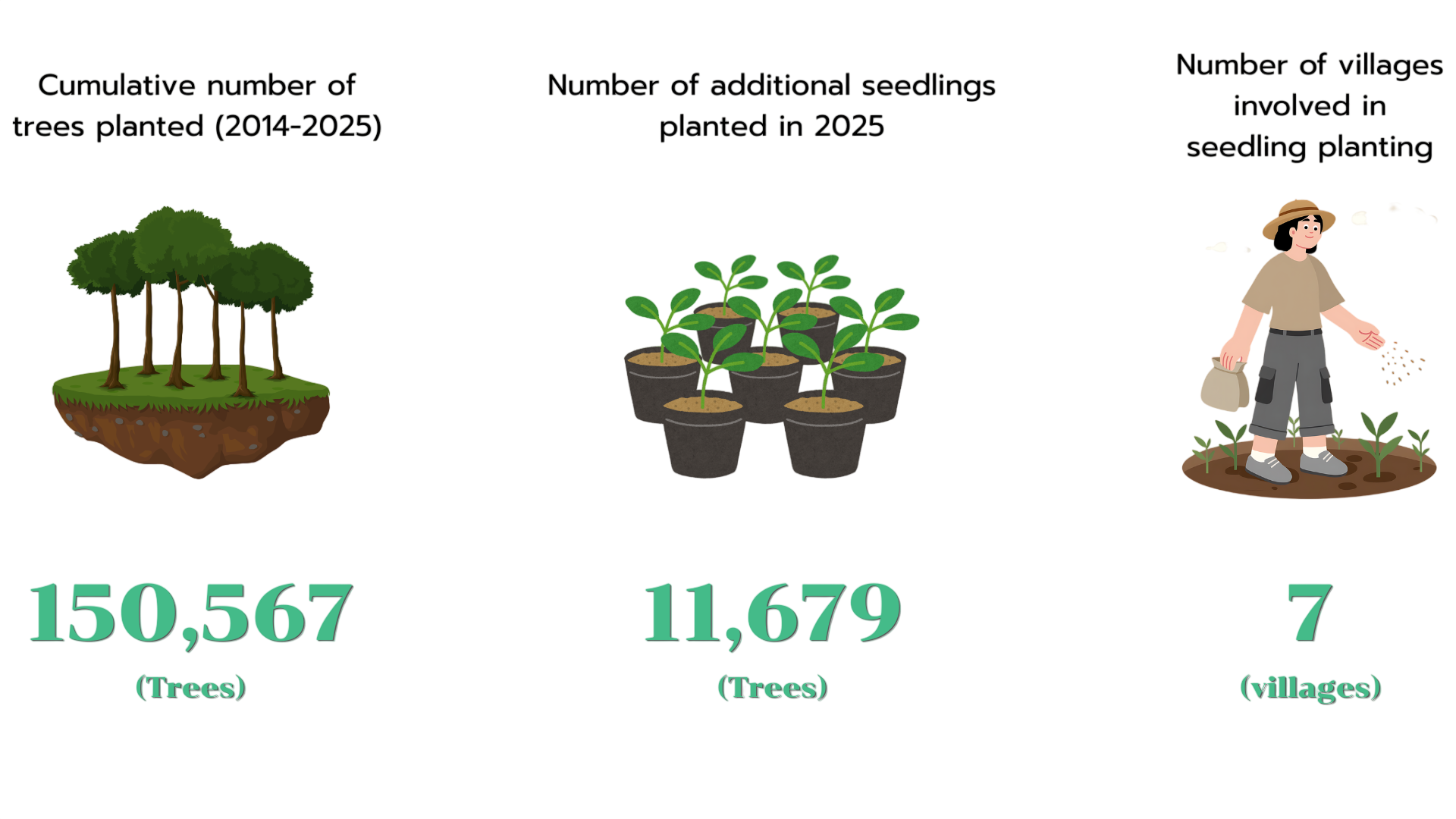
Mivana employs organic farming practices, which eliminate the use of chemicals and protect upstream watershed ecosystems from contamination, benefiting both local and downstream water users. In partnership with the Organic Forest-Preserving Coffee Community Enterprise network (across 7 villages) and local government agencies, the "Mivana Organic Forest-Preserving Coffee Project" currently supports 256 members across 4,671.25 rai of internationally certified organic coffee plantations. In 2025, the company implemented various initiatives, such as sustainable reforestation, firebreak construction, and check dam building. These Climate Action projects foster community participation in conservation. For over 12 years (2014–2025), the project "Reforestation with Coffee: Mivana Sustaining Community Ways" has consistently planted trees. In 2025, in collaboration with the Khun Lao Royal Initiative Project and the Chiang Rai Nursery Center, Mivana distributed 11,679 seedlings of diverse species. This included 5,814 perennials (e.g., Afzelia xylocarpa, Teak, Siamese Cassia), 5,390 fruit trees (e.g., Indian Gooseberry, Olive, Wild Persimmon), and 475 economic plants (e.g., Dendrocalamus sericeus, Eucalyptus, Bitter Bean). These seedlings were distributed across 7 project villages: Khun Lao, Huay Khun Phra, Rom Yen, Huay Krai, Mai Phatthana, Pha Daeng Luang, and Doi Chang.
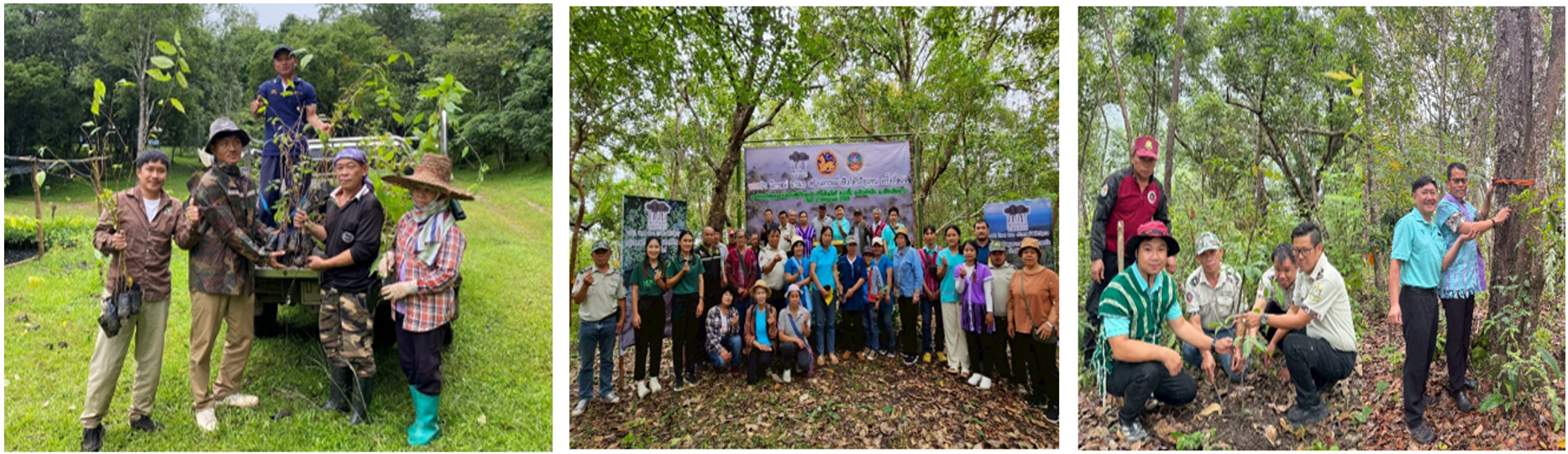
“Shade-Grown Forest Coffee” Fostering Sustainable Community Livelihoods Project
Annual operating results for 2025
ข่าวสารและกิจกรรม
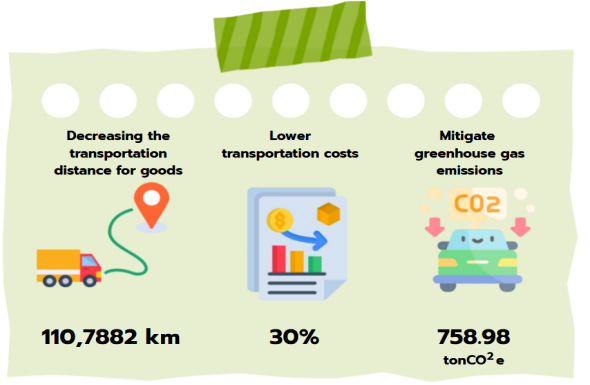
Direct Shipment Expansion Project 2024
In the operation of distributing consumer goods, which involves shipping and distributing products nationwide, the company conducts this crucial activity through partner companies that provide transportation services in each region. To enhance the value chain in collaboration with these partners.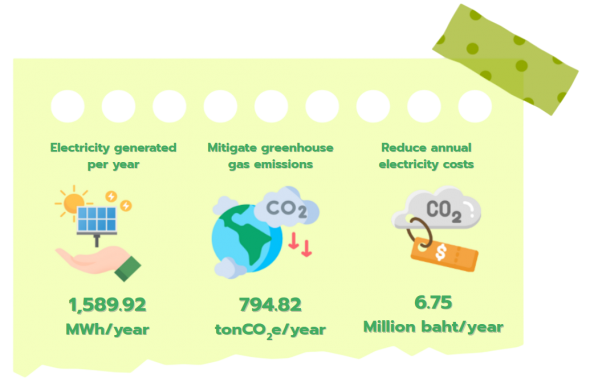
Project to use renewable clean energy 2024
P.M. Food Co., Ltd. and Premier Canning Industry Co., Ltd., its subsidiaries, adhere to a policy and business practices that prioritize environmental sustainability.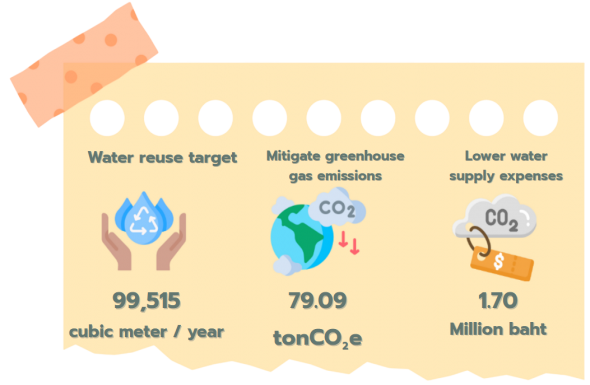
Water Resource Management 2024
In the product manufacturing process, clean water is considered a crucial factor, especially in the raw material washing and the cleaning of machinery and equipment. The goal of this project is to reduce the volume of treated wastewater discharged into public canals.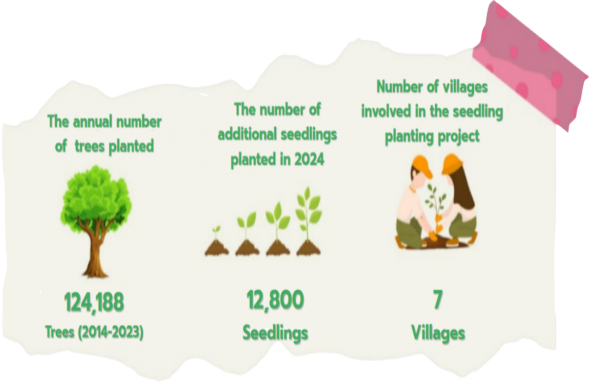
Nature Conservation & Restoration 2024
Mivana Co., Ltd., in collaboration with the network of seven organic forest-conserving coffee community enterprises and government agencies in the area, fosters participation through nature conservation and restoration to mitigate the impacts of climate change (Climate Action).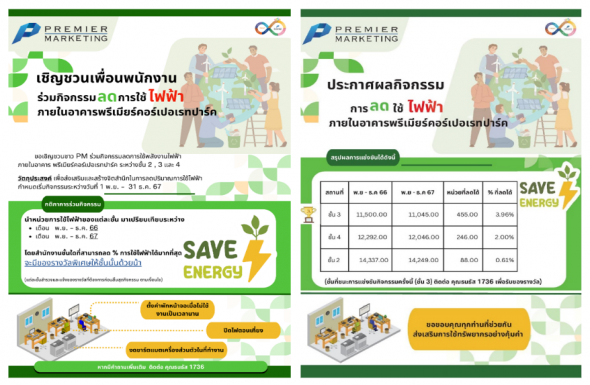
Energy Saving Campaign for a Sustainable Green Organization 2024
To support employee awareness of resource efficiency and build an organizational culture of creative energy conservation.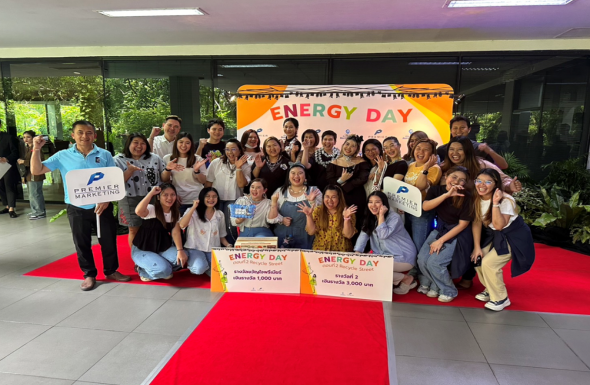
Premier Group of Companies' Energy Management Working Group's Energy Day Event 2/2024
To support awareness-raising activities and employee participation in energy conservation through the 'Recycle Streets' fashion contest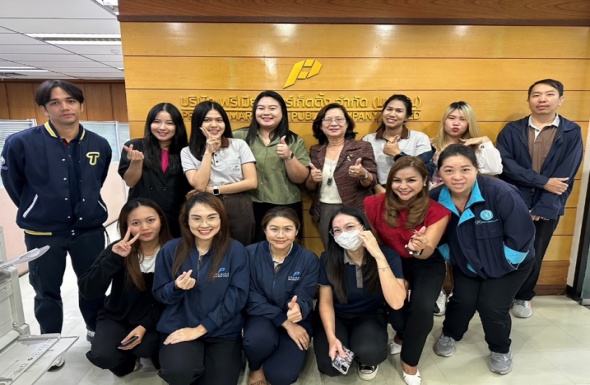
Design Contest from Waste Materials 2024
Promote creativity and foster employee engagement within the organization, employees are invited to craft items from everyday waste materials into stunning accessories for a fashion contest during the 2nd/2024 Energy Day event.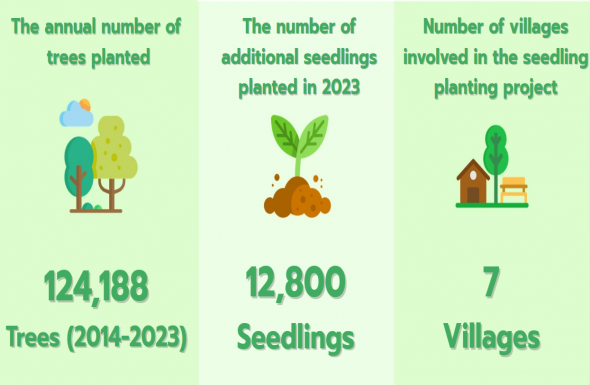
Nature Conservation & Restoration 2023
Meewana Co., Ltd., in collaboration with the network of seven organic forest-conserving coffee community enterprises and local government agencies, provided 12,800 diverse seedlings for planting.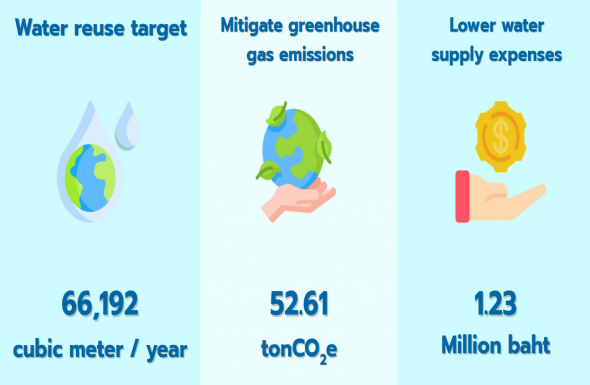
Water Resource Management 2023
Water reuse target: 66,192 cubic meter / year Mitigate greenhousegas emissions: 52.61 tonCO2e Lower water supply expenses: 1.23 million baht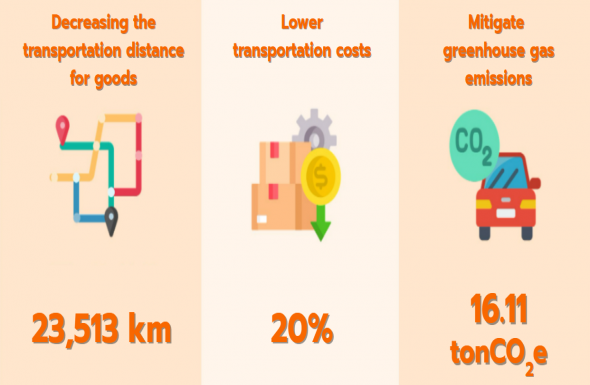
Efficient Energy Use 2023
The company collaborated with its subsidiary, the product manufacturer, to expand direct shipment from factories to Big C, Lotus's, and DKSH distribution centers in order to reduce distance and redundant work processes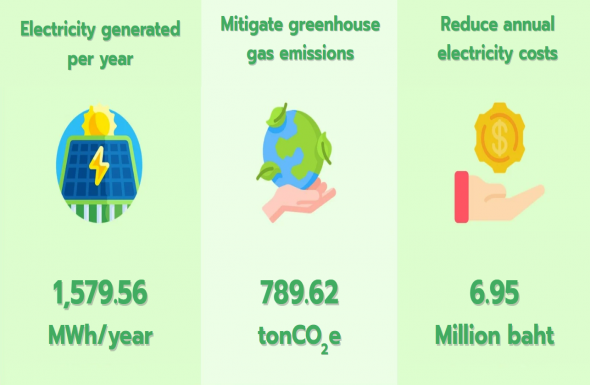
Renewable clean energy 2023
Subsidiaries began investing in the installation of solar panels in 2017 and have continuously increased their solar panel installations. In fiscal in 2023, they were able to generate a total of 1,579.56 megawatt-hours per year and reduce greenhouse gas emissions by an estimated 789.62 tonCO2e/year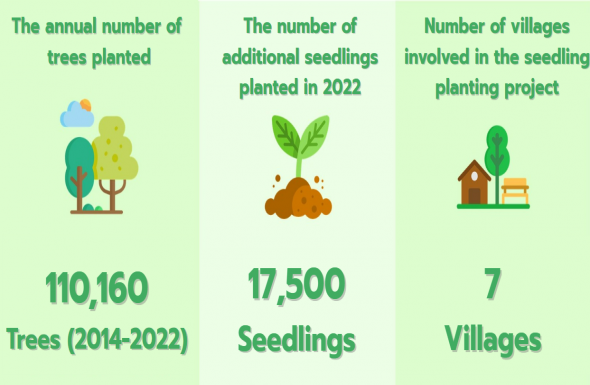
Nature Conservation & Restoration 2022
Meewana Co., Ltd., in collaboration with the network of seven organic forest-conserving coffee community enterprises and government agencies in the area, fosters participation through nature conservation and restoration to mitigate the impacts of climate change (Climate Action). The primary operations involve growing coffee under the shade of trees and providing care and maintenance.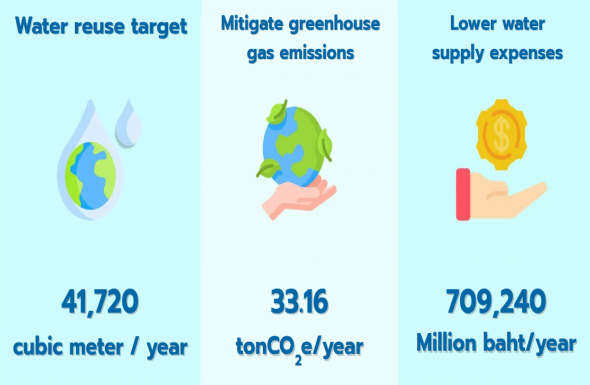
Water Resource Management 2022
Clean water is a crucial factor in the production process, being used in almost every stage, especially in the cleaning of raw materials and the washing of machinery and equipment involved in the production process. The goal of this project is to reduce the volume of treated wastewater discharged into public canals.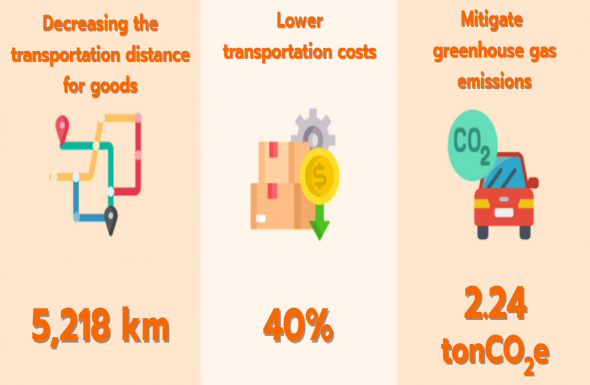
Efficient Energy Use 2022
The company operates a consumer goods distribution business, which involves shipping and distributing products nationwide. This is carried out through partner companies that provide transportation services, making it another crucial process in the business value chain. To enhance the value chain in collaboration with these partners, the development of energy efficiency is being expanded.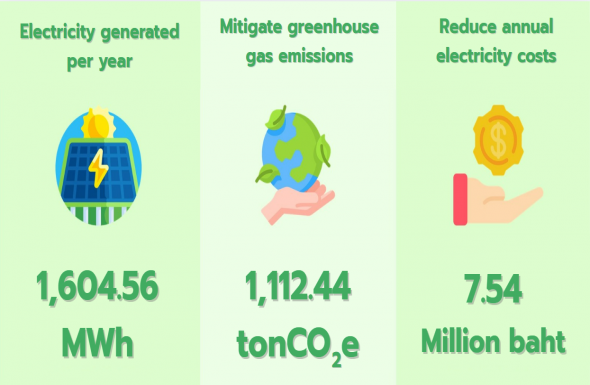
Renewable clean energy 2022
P.M. Food Co., Ltd. and Premier Canning Industry Co., Ltd., its subsidiaries, adhere to a policy and approach to business operations with sustainable responsibility, which extends to the use of renewable energy. Therefore, managing electricity consumption is considered a crucial mission in their operations.